- Global Supply | Worldwide Delivery

Soni Brothers offers industrial products for material handling and mechanical applications. Its range includes industrial chains, gears, sprockets, pulleys, couplings and conveyor products.
In addition, the company lists conveyor belts and rollers for industrial use. Therefore, these products can be considered for different material-handling systems.
A conveyor system needs the right components to work smoothly. For example, the belt carries the material, while rollers support the belt during operation.
For conveyor applications, Conveyor Rollers can be selected according to load, belt width, speed and operating conditions.
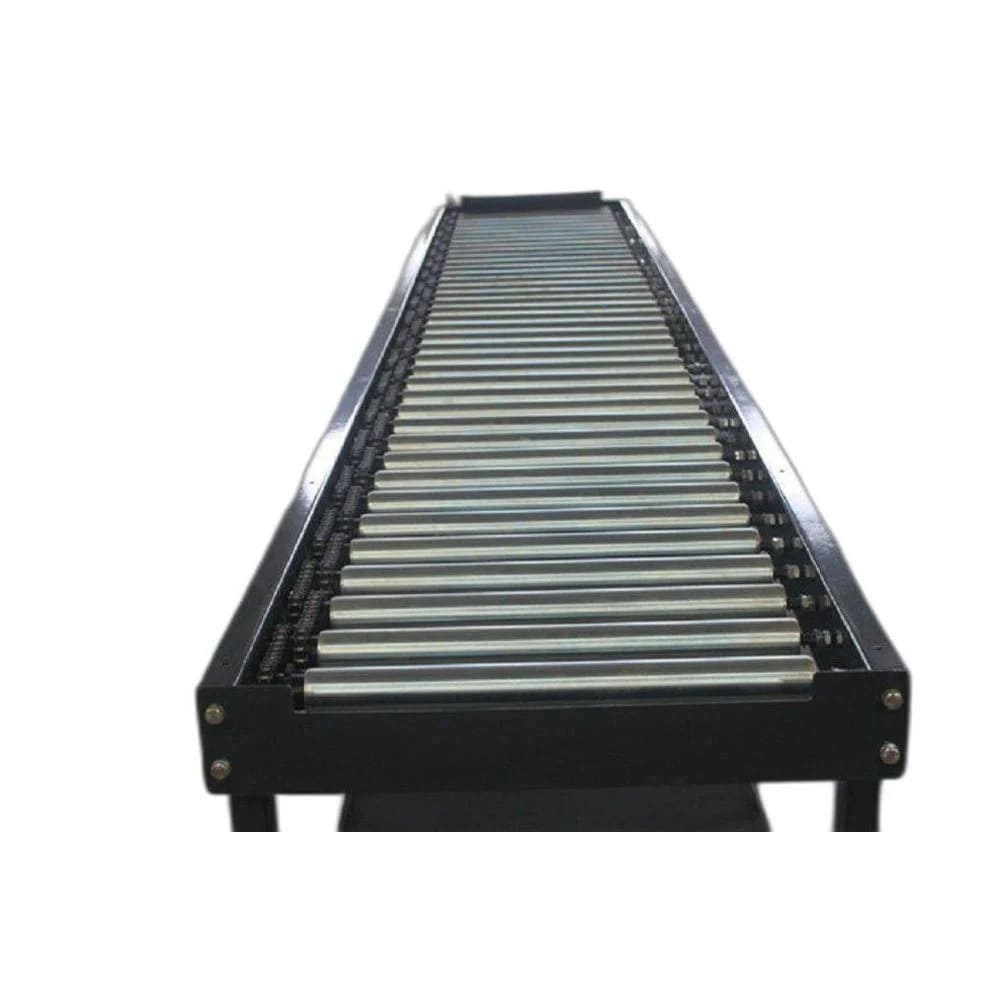
Share Your Conveyor Roller Requirements With Us and Get the Best Price, Tailored to Your Needs. Our Team Will Respond Quickly With a Competitive Quote.
A conveyor roller has a rotating shell, shaft and bearing arrangement. The shell rotates around the shaft as the belt moves across it.
The bearing reduces friction between the rotating and stationary parts. As a result, the belt can move more smoothly.
The roller also transfers load to the conveyor frame. Therefore, the shaft and bearings must be suitable for the expected load.
If the roller becomes damaged, belt movement can become uneven. In addition, a damaged roller can increase belt wear.
Carrying rollers support the belt on the loaded side of the conveyor. They are commonly arranged along the conveyor frame.
A flat arrangement can be used for some applications. However, a troughed arrangement is often used for bulk material handling.
The correct arrangement depends on belt width, material type and conveyor design.
A Conveyor Idler Set can be considered when a coordinated roller arrangement is required.
Loading points can create high impact forces. This happens when material falls from a certain height onto the conveyor belt.
Therefore, impact rollers are used in many loading areas. They help support the belt under concentrated loading.
The required roller design depends on the material size, drop height, loading rate and belt speed.
For this reason, Impact Rollers should be selected according to the actual conveyor conditions.
Return rollers support the empty belt after the material has been discharged.
They are positioned below the carrying side of the conveyor. Therefore, they help maintain the belt path during the return movement.
Poor alignment can cause belt tracking problems. In addition, material buildup can affect roller rotation.
Regular cleaning and inspection can therefore improve conveyor operation.
Return Rollers can be selected according to the conveyor structure and belt requirements.
Mild steel is commonly used for industrial roller construction. It provides a rigid structure and can suit many general-duty applications.
However, the operating environment should also be considered. For example, wet or corrosive conditions may require another material.
An MS Conveyor Roller can be considered for suitable applications.
Stainless steel offers better corrosion resistance than standard mild steel. Therefore, it can be useful in environments where moisture or corrosion is a concern.
However, the complete roller assembly must still be checked. Bearing seals, shaft design and operating conditions also matter.
An SS Conveyor Roller can be considered for applications that require corrosion resistance.
Selecting the right conveyor roller starts with the conveyor application. First, identify the material that the belt will carry.
Next, check the material weight, size and loading condition. Heavy or large materials may require a stronger roller design.
The belt width should also be considered. A wider belt needs suitable roller length and support.
Then, check the belt speed. Higher speeds can increase roller rotation and bearing wear. Therefore, the roller and bearing should match the operating speed.
Roller position is another important factor. Carrying rollers support the loaded belt. Meanwhile, return rollers support the empty belt.
At loading points, higher impact forces can occur. Therefore, Impact Rollers can be considered for these sections.
The operating environment should also be checked. Dust, moisture, heat and corrosion can affect roller performance.
For example, SS Conveyor Roller can be considered where corrosion resistance is important. Similarly, an HDPE Roller can be considered for applications where a lightweight and corrosion-resistant option is useful.
Finally, check the roller diameter, shaft diameter, bearing, load and spacing. These values should match the conveyor design.
Mining conveyors handle heavy and abrasive materials. For example, coal, ore, stone and minerals can create high loads.
Therefore, rollers for mining conveyors should be selected according to material weight, belt speed and impact conditions.
At loading areas, impact rollers can help support the belt. In addition, regular inspection can reduce unexpected roller problems.
Cement plants use conveyors to move limestone, clinker, gypsum and other materials.
These materials can create dust and abrasive conditions. Therefore, the roller design should suit the plant environment.
Moreover, proper alignment helps maintain smooth belt movement. Regular cleaning can also reduce material buildup.
Stone crusher plants handle large and heavy materials. As a result, conveyor rollers can experience high impact and load.
For loading zones, Impact Rollers can provide suitable belt support.
Meanwhile, Stone Crusher Rollers can be considered for suitable crushing and material-handling applications.
Power plants use conveyors to transport materials such as coal and ash. These systems often operate for long periods.
Therefore, roller selection should consider continuous operation, belt speed and material load.
In addition, regular bearing inspection can help identify wear before it affects conveyor operation.
Steel plants use conveyors for raw materials, processed materials and other bulk products.
Some areas may experience high temperatures, dust and heavy loading. Therefore, the roller material and bearing arrangement should match the working conditions.
Furthermore, correct alignment helps reduce belt tracking problems.
Ports handle large quantities of bulk materials. Coal, minerals, grains and other materials can be transported through conveyor systems.
Because these systems can operate continuously, reliable roller rotation is important.
Therefore, roller diameter, bearing selection and load capacity should be checked before installation.
Warehouses use conveyor systems for boxes, packages and other products. These applications often require smooth and controlled movement.
Compared with heavy bulk conveyors, the load may be lower. However, roller spacing and alignment still need to be checked.
As a result, the correct roller arrangement can help maintain stable product movement.
Food processing plants require careful material selection. Moisture, cleaning processes and hygiene requirements can affect conveyor components.
Therefore, corrosion-resistant materials may be considered for suitable applications.
For example, SS Conveyor Roller can be considered where stainless steel construction is required.
Chemical plants can expose conveyor components to moisture or corrosive substances. Therefore, roller material should be selected according to the operating environment.
In addition, bearing protection should be considered. Proper sealing can help protect the bearing from contamination.
Aggregate conveyors move materials such as sand, gravel and crushed stone. These materials can be abrasive and heavy.
Therefore, the roller should be selected according to load and material characteristics.
At transfer points, impact conditions should also be considered. Consequently, suitable impact support can help protect the conveyor belt.
A roller may stop rotating because of a damaged bearing. Material buildup can also restrict movement.
First, inspect the roller and bearing area. Next, remove any material around the roller.
If the roller still does not rotate, check the shaft and bearing. Replace damaged components before restarting the conveyor.
A conveyor belt can move sideways when the rollers are not aligned correctly. Uneven material loading can also affect belt tracking.
Therefore, check the carrying and return rollers first. Then, inspect the conveyor frame and roller shafts.
Also, make sure material does not build up on the roller surface. Correct alignment can help restore stable belt movement.
Unusual noise often indicates a bearing or mechanical problem. Dust and moisture can also affect bearing performance.
First, stop the conveyor and inspect the noisy roller. Next, check the bearing, shaft and roller shell.
If the bearing shows damage, replace the roller or bearing as required. Consequently, early inspection can prevent further conveyor damage.
Roller surfaces can wear because of continuous belt contact. Abrasive material can increase the wear rate.
Therefore, inspect the roller surface regularly. Also, check the belt tracking and material loading.
If wear appears only on one side, inspect the roller alignment. Correcting the underlying problem can prevent repeated wear.
Belt vibration can occur when rollers are damaged or incorrectly aligned. Uneven roller surfaces can also affect belt movement.
First, inspect the rollers in the affected section. Next, check roller spacing and conveyor alignment.
Replace damaged rollers when necessary. In addition, make sure the belt tension is suitable for the conveyor design.
Share Your Conveyor Roller Requirements With Us and Get the Best Price, Tailored to Your Needs. Our Team Will Respond Quickly With a Competitive Quote.
Soni Brothers conveyor rollers are associated with conveyor belt and material-handling applications. They can support belt movement in suitable industrial systems.
First, check the belt width, material load and belt speed. Next, consider roller position, spacing, bearing type and operating environment.
Therefore, the roller should match the complete conveyor design rather than one specification.
Conveyor rollers can fail because of excessive load, bearing wear, contamination, poor alignment or material buildup.
Regular inspection can help identify these problems early.
Correct alignment helps the belt move smoothly. It can also reduce uneven roller wear and belt tracking problems.
Therefore, the roller shafts and conveyor frame should be checked during maintenance.
Carrying rollers support the loaded side of the conveyor belt. Meanwhile, return rollers support the empty belt on the lower side.
Both roller types help maintain the correct belt path.
Impact rollers are commonly considered for conveyor loading areas. These areas can experience higher forces when material falls onto the belt.
Therefore, the roller arrangement should match the material size, loading condition and conveyor design.