- Global Supply | Worldwide Delivery

Rexnord conveyor rollers and idler components support smooth material movement and stable belt operation. Its conveyor portfolio includes roller components such as bearing heads, roller end bearings and roller shafts. In addition, Rexnord offers carrying, return, impact and training idlers for different conveyor sections.
A conveyor roller supports the belt or conveyed material while it rotates. Therefore, you should consider the roller diameter, shaft arrangement, bearing system, load and belt speed together. The working environment also matters because dust, moisture and material conditions can affect roller performance.
For standard belt conveyor applications, you can select different roller types according to the conveyor section. For example, Carrying Roller supports the loaded belt. Similarly, Return Rollers support the empty belt on the return side. In addition, Impact Rollers can handle higher loading forces near material transfer points.
Therefore, checking the conveyor section, load and operating conditions first can help you choose a suitable roller arrangement.
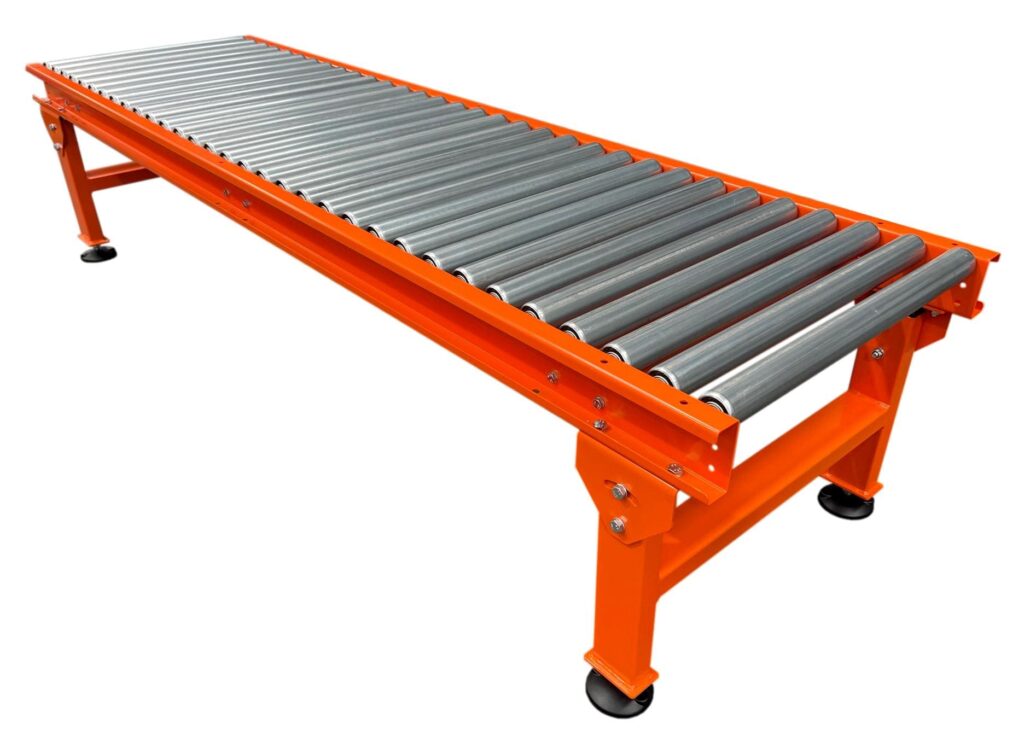
Share Your Conveyor Roller Requirements With Us and Get the Best Price, Tailored to Your Needs. Our Team Will Respond Quickly With a Competitive Quote.
When replacing or specifying a conveyor roller, the replacement component should match the conveyor’s load, speed, environment and mounting arrangement. Therefore, different roller materials and supporting components can be considered according to the application.
The Conveyor Bracket Set is used to support and mount conveyor roller assemblies within the conveyor frame. It can be considered when the roller replacement also requires a compatible mounting arrangement. Furthermore, the bracket dimensions should be checked against the existing conveyor structure before installation.
The SS Conveyor Roller can be considered for applications where corrosion resistance is important. Stainless-steel construction can be useful in environments exposed to moisture, cleaning processes or corrosive conditions. However, the required roller dimensions and load capacity should still be verified for the conveyor.
The HDPE Roller is suitable for applications where a lightweight and corrosion-resistant roller material is required. HDPE can also be considered where reduced surface interaction with the conveyed material is desirable. Therefore, it may be evaluated for specific material-handling and industrial conveyor applications.
The MS Conveyor Roller can be considered for general industrial conveyor applications where a mild-steel roller construction is appropriate. Its selection should be based on roller diameter, shaft dimensions, conveyor load, belt speed and operating environment.
| No. | Technical Parameter | Typical Technical Value |
|---|---|---|
| 01 | Roller Diameter | 63.5–219 mm |
| 02 | Shaft Diameter | 20–60 mm |
| 03 | Roller Length | 250–1800 mm |
| 04 | Belt Speed | 0.5–6 m/s |
| 05 | Roller Load | 50–1500 kg/roller |
| 06 | Roller Spacing | 300–1500 mm |
| 07 | Conveyor Width | 400–2400 mm |
| 08 | Operating Temperature | -20°C to +120°C |
| 09 | Bearing Size | 6204–6312 series |
| 10 | Pulley Diameter | 250–1600 mm |
| 11 | Pulley Face Width | 500–2800 mm |
| 12 | Shaft Material | C45 / EN8 / 42CrMo4 |
Selecting the correct Rexnord conveyor roller requires more than checking the roller diameter. The roller should match the conveyor design, material load, belt speed and operating environment. Therefore, check several technical factors before selecting a roller.
First, identify the conveyor type and the section where you will install the roller. Carrying rollers support the loaded belt, while return rollers support the empty belt.
For loading zones, impact rollers may be needed because falling material creates higher impact forces. In addition, training idlers can help control belt tracking where alignment is important.
Next, check the conveyor belt width. The roller length and frame arrangement should match the belt width.
A short roller may not provide enough belt support. On the other hand, an unnecessarily long roller can increase installation and mechanical requirements.
Therefore, measure the conveyor frame dimensions before selecting a replacement roller.
Next, consider the load carried by each roller. The total material load, belt weight and roller spacing all affect load distribution.
If the conveyor carries heavy bulk material, select the roller for the expected operating load rather than the average load alone. Furthermore, consider impact loading in areas where material falls onto the belt.
Belt speed affects roller rotational speed. As belt speed increases, the roller also rotates faster.
You can estimate the roller RPM from the belt speed and roller diameter:
RPM = (60 × V) / (π × D)
Where:
V = belt speed in metres per second
D = roller diameter in metres
RPM = approximate roller rotational speed
Therefore, the roller and bearing arrangement should suit the expected operating speed.
Choose the roller diameter according to the conveyor load, belt speed and operating duty.
A larger diameter generally gives a lower rotational speed at the same belt speed. However, do not select the diameter alone. You should also check the shaft, bearing arrangement, conveyor frame and belt requirements.
The shaft must provide enough strength for the expected load. Therefore, check the shaft diameter, shaft length and mounting arrangement together.
In addition, the shaft ends must match the conveyor frame or bearing-head arrangement. Incorrect shaft dimensions can cause installation problems even when the roller body fits the application.
The bearing plays an important role in roller operation. Select it according to the load, rotational speed and working environment.
For example, dust can enter areas around the bearing and affect operation. Similarly, wet or washdown environments can increase corrosion and sealing requirements.
Therefore, check the bearing and sealing arrangement before specifying the roller.
The conveyed material also affects roller selection. Abrasive materials can increase surface wear. Sticky materials can also build up on the roller.
Furthermore, large or heavy material can create higher impact forces. Therefore, consider the loading conditions when selecting rollers for mining, aggregate, stone crushing and other bulk-material applications.
For conventional belt support, a Carrying Roller can be considered. In loading areas with higher impact forces, Impact Rollers may be more suitable.
Next, evaluate the surrounding environment. Dust, moisture, chemicals, temperature and abrasive particles can affect roller and bearing performance.
If the conveyor operates outdoors, consider moisture and temperature changes. Likewise, check contamination risks around the bearing and shaft areas in dusty plants.
Therefore, match the roller material and bearing arrangement to the actual working conditions.
Finally, check the distance between adjacent rollers. Roller spacing affects belt support and load distribution.
Heavy loads generally need closer roller support than light loads. In addition, you may need closer spacing near loading areas because impact forces are higher.
Before replacing a roller, measure the existing roller spacing. Then, compare it with the conveyor design requirements. This check can help reduce belt sag and uneven loading.
The approximate roller speed can be calculated using the belt speed and roller diameter.
RPM = (60 × V) / (π × D)
Where V is belt speed in metres per second and D is roller diameter in metres.
Rexnord conveyor components can support different material-handling and conveying applications. However, the right roller arrangement depends on the conveyor design, material load and operating conditions.
Typical applications include:
Bulk material conveying
Packaging and unit handling
Food and beverage conveying
Industrial material handling
Mining and aggregate conveying
Loading and transfer areas
Conveyor return sections
Belt support and tracking systems
For standard belt-support applications, Conveyor Rollers can be selected according to the conveyor width, load and operating conditions. In addition, the correct roller type should match the conveyor section and required belt support.
Where a complete roller arrangement is needed, a Conveyor Roller Set may be considered. This option can simplify component selection when the application requires a matching roller arrangement.
Therefore, check the conveyor layout, load, belt speed and working environment before choosing the roller or roller set.
A roller that does not rotate freely may have a damaged bearing, contamination or excessive loading.
First, stop the conveyor and isolate the equipment. Then rotate the roller manually. If resistance remains high, inspect the bearing and shaft arrangement.
Unusual grinding or squealing can indicate bearing wear, contamination or mechanical damage.
The affected roller should be inspected while the conveyor is safely isolated. If the bearing has been damaged, replacement may be required.
Belt tracking problems can occur when rollers or idlers are misaligned. Material buildup can also change the roller surface.
Therefore, inspect the roller alignment, frame condition and belt cleanliness. Check the training idlers as well if the conveyor uses them.
Abrasive material can gradually wear the roll surface. Wet or sticky material can also create buildup.
The roller should be inspected according to the material being conveyed. Where necessary, a roll material or surface suitable for the application should be selected.
Bearing temperature can increase because of excessive load, contamination, poor alignment or inadequate lubrication where lubrication is required.
First, verify the operating load. Next, inspect the bearing condition and sealing arrangement. The shaft alignment should also be checked.
Share Your Conveyor Roller Requirements With Us and Get the Best Price, Tailored to Your Needs. Our Team Will Respond Quickly With a Competitive Quote.
A Rexnord conveyor roller is a roller or roller-related conveyor component used to support, guide or transfer loads in conveying systems. Rexnord’s range includes roller end bearings, bearing heads and roller shafts.
Rexnord’s belt conveyor information includes carrying, transition, impact, return and training idler arrangements. The exact configuration depends on the conveyor section and application requirements.
Start with the conveyor width, belt speed, material load and roller arrangement. Then consider roller diameter, shaft dimensions, bearing arrangement, material, temperature, moisture and contamination.
Noise may be caused by bearing wear, contamination, shaft problems, misalignment or mechanical damage. The roller should be inspected after the conveyor has been safely isolated.
Yes, conveyor roller systems can be designed for wet environments. However, the bearing, seal, shaft and roll materials must be suitable for the actual moisture and corrosion conditions.
Misalignment, material buildup, worn rollers, incorrect idler positioning and other conveyor conditions can affect belt tracking. Therefore, the complete conveyor arrangement should be inspected rather than adjusting one roller alone.