- Global Supply | Worldwide Delivery

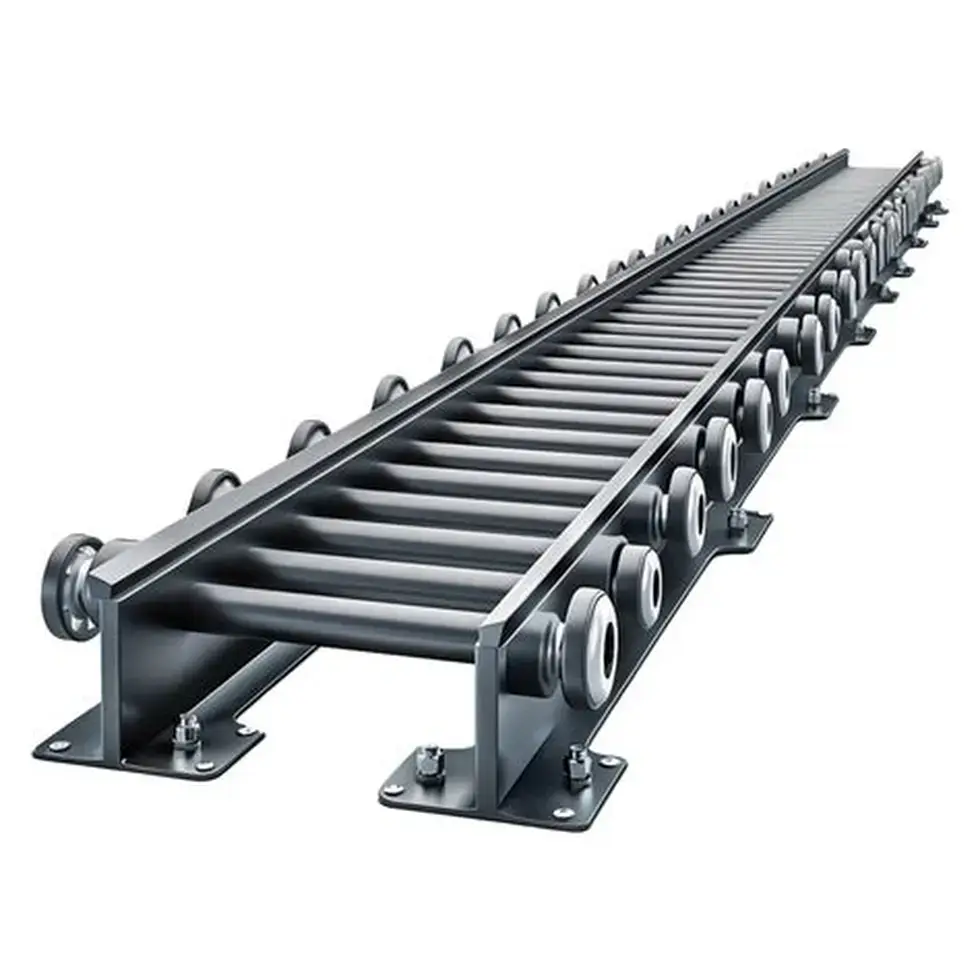
Conveyor Roller Set is designed for reliable material handling and smooth conveyor operation, combining Carrying Rollers, Conveyor Impact Rollers, and Conveyor Drum Pulleys for different conveyor loading and conveying requirements. The roller set can be selected according to belt width, material load, conveyor speed, roller spacing, impact conditions, and operating environment to support stable belt movement, controlled material handling, and dependable conveyor performance.
Share Your Conveyor Roller Requirements With Us and Get the Best Price, Tailored to Your Needs. Our Team Will Respond Quickly With a Competitive Quote.
A conveyor roller set is a combination of conveyor components selected to support, guide, impact-protect, and drive the conveyor belt during material handling. Depending on the conveyor arrangement and operating conditions, the set can include carrying rollers, impact rollers, and drum pulleys with suitable dimensions, bearings, shafts, and mounting arrangements.
Each component performs a specific function within the conveyor system. Carrying rollers support the loaded belt, impact rollers absorb loading forces at material loading points, while drum pulleys provide belt driving, tensioning, or return functions according to the conveyor arrangement.
Roller and pulley selection depends on belt width, material load, belt speed, conveyor length, roller spacing, loading conditions, material characteristics, and the operating environment. Correct component selection helps maintain stable belt support and reliable conveyor performance.
Conveyor roller set dimensions and components are selected according to belt width, material load, operating speed, roller spacing, and conveyor operating conditions.
Selected according to belt width, belt speed, roller spacing, loading conditions, and required roller capacity.
Roller dimensions and mounting arrangement are matched to the conveyor belt width and supporting structure.
Shaft diameter depends on roller length, bearing arrangement, load conditions, and required shaft strength.
Spacing is selected according to belt construction, material load, belt sag requirements, and conveyor configuration.
Bearing and sealing arrangements are selected to protect against dust, moisture, contamination, and operating loads.
Maximum speed depends on roller diameter, bearing design, balance, belt characteristics, and application conditions.
Conveyor roller set components should be selected according to the conveyor design, belt characteristics, material load, operating speed, loading conditions, and installation environment.
Select the roller and pulley dimensions according to the conveyor belt width and required belt support arrangement.
Consider the material load, bulk density, lump size, and loading rate to determine the required roller load capacity.
Belt speed affects roller rotation, bearing requirements, pulley selection, and the overall operating conditions of the conveyor.
Choose the roller diameter based on belt speed, load, roller spacing, belt tension, and expected operating duty.
Roller spacing should provide continuous belt support and limit belt sag under the expected loaded condition.
At loading points, select impact rollers according to material lump size, drop height, loading rate, and impact severity.
Pulley diameter and construction should be matched to belt tension, drive requirements, belt width, and conveyor operating conditions.
Account for moisture, dust, corrosion, temperature, abrasive materials, and other environmental conditions when selecting bearings, seals, shafts, and roller materials.
Selection Note: Final conveyor roller set dimensions should be confirmed from the conveyor layout, belt specifications, load calculations, operating speed, and installation requirements. For demanding applications, component selection should be verified against the conveyor design and applicable engineering standards.
Enter the conveyor length, belt width, roller spacing, and conveyor speed to estimate the number of carrying roller stations and total carrying rollers required for a conveyor section.
Conveyor roller sets are used in bulk material handling and continuous conveying systems where reliable belt support, controlled material loading, and dependable belt movement are required.
Used for transporting ore, minerals, aggregates, and other bulk materials over long conveyor distances and demanding operating conditions.
Suitable for conveying crushed stone, limestone, gravel, and other abrasive materials from crushers to screening and stockpiling areas.
Applied in raw material, clinker, limestone, and finished material conveying systems where continuous belt operation is required.
Used for handling coal, coke, ore, sinter, and other bulk materials in steel production and material transfer systems.
Used in loading, unloading, transfer, and stockyard conveyor systems handling bulk cargo and raw materials.
Suitable for coal, ash, limestone, and other bulk material conveying applications in power and industrial plants.
Inspect the bearing and seal, check the roller load, and replace damaged components.
Inspect bearings and seals, check shaft alignment, and replace worn components.
Check shaft straightness, bearing condition, mounting arrangement, and roller balance.
Check roller and pulley alignment and ensure material is loaded centrally on the belt.
Check material characteristics, belt loading, roller spacing, and select a suitable roller construction.
A conveyor roller set can be configured with carrying rollers, impact rollers, and drum pulleys, depending on the conveyor arrangement and application requirements. The exact components are selected according to belt width, load, speed, and operating conditions.
Selection should consider belt width, material load, belt speed, roller diameter, roller spacing, material lump size, conveyor length, and operating environment. The conveyor layout and duty conditions should be reviewed before finalizing dimensions.
A carrying roller supports the loaded conveyor belt along the conveying section. An impact roller is installed mainly at loading points and is designed to withstand the impact generated when bulk material falls onto the belt.
Impact rollers are generally used at material loading and transfer points, particularly where the falling material creates significant impact forces on the conveyor belt and supporting structure.
Roller spacing depends on belt width, material load, belt construction, bulk density, conveyor configuration, and allowable belt sag. Heavier loads generally require closer roller spacing.