- Global Supply | Worldwide Delivery

Aline Conveyors Pvt. Ltd. is associated with conveyor systems and material-handling equipment used for the controlled movement of materials. Conveyor equipment is selected according to factors such as load, belt speed, conveyor width, material characteristics, operating environment, and required conveying capacity.
For this reason, the correct conveyor components should be matched with the operating conditions of each system. Moreover, components such as rollers, pulleys, brackets, drives, and supporting structures must work together for stable material handling. Therefore, technical parameters should be reviewed before a conveyor system or replacement component is selected.
Aline Conveyors Pvt. Ltd. can be considered in applications where conveyor equipment is required for continuous material movement. However, the final configuration should always be determined from the actual conveyor layout, material characteristics, loading conditions, and operating requirements.
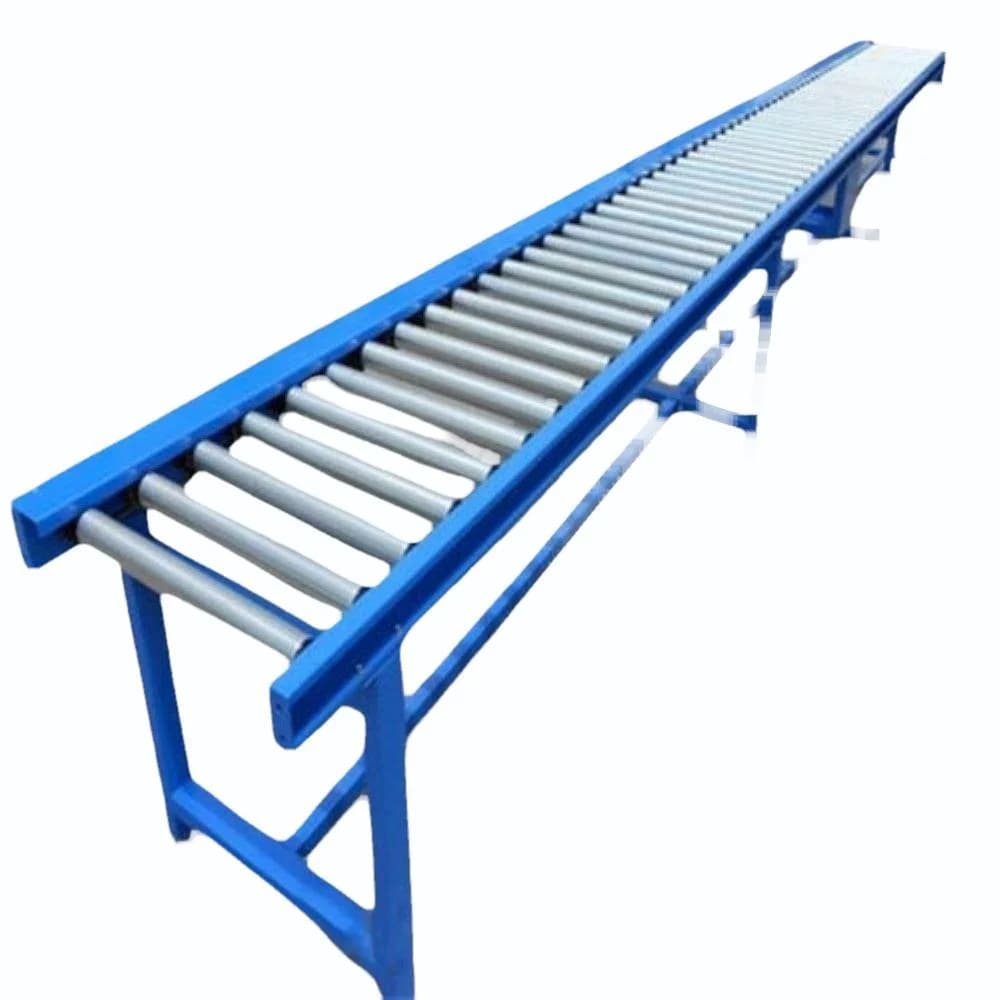
Share Your Conveyor Roller Requirements With Us and Get the Best Price, Tailored to Your Needs. Our Team Will Respond Quickly With a Competitive Quote.
Aline Conveyors Pvt. Ltd. can be associated with conveyor systems and material-handling equipment designed for different conveying requirements. Product selection should be based on the material, load, conveyor dimensions, operating speed, and working environment.
Common conveyor products include:
Typical conveyor roller diameters range from 60 mm to 159 mm. Larger diameters may be selected for higher loads and demanding applications.
Common shaft diameters are approximately 20 mm to 40 mm. The final shaft size should be selected according to roller length and applied load.
Conveyor roller lengths commonly fall between 300 mm and 2000 mm. The required length depends on conveyor width and frame arrangement.
Typical belt speeds can range from 0.5 m/s to 3.5 m/s. However, the operating speed should be matched with material type and conveyor capacity.
Roller rotational speed may typically range from 60 RPM to 180 RPM. It is determined by roller diameter and conveyor belt speed.
Typical carrying roller spacing is around 600 mm to 1200 mm. Closer spacing is generally used where heavier or concentrated loads are conveyed.
Common troughing angles include 20°, 30°, and 35°. The angle should be selected according to belt width, material flow, and conveyor design.
Conveyor capacity can commonly range from 50 TPH to 1000 TPH, depending on belt width, belt speed, material density, loading profile, and conveyor design.
Standard conveyor components may commonly be designed for approximately -20°C to +80°C. Special applications require materials and components suitable for higher or lower temperatures.
Depending on roller construction and application, a roller may be selected for approximately 100 kg to 1000 kg per roller. Actual capacity must be verified from the roller design and loading arrangement.
Note: The values above are typical reference ranges for conveyor engineering. Actual specifications should be confirmed according to the conveyor design, operating conditions, load, material, and component configuration.
Selecting the right conveyor product starts with understanding the actual operating conditions. First, identify the material type, material weight, particle size, and required conveying capacity. These factors help determine the suitable conveyor configuration.
Next, check the conveyor width and belt width. The selected components should provide adequate belt support across the complete conveying surface. In addition, the roller length should match the conveyor frame dimensions.
The maximum load should also be calculated. Both normal and peak loading conditions should be considered because concentrated loads can place additional stress on rollers, shafts, bearings, and the conveyor structure.
After that, determine the required belt speed. A higher speed can increase material-handling capacity; however, it can also increase roller RPM, wear, vibration, and material-spillage risk. Therefore, the speed should be selected according to the material and application.
The roller diameter and shaft diameter should then be checked. Larger roller diameters may be suitable for higher loads and demanding operating conditions. Similarly, the shaft should have sufficient strength for the applied load and roller length.
The roller spacing should be selected according to the material load and belt support requirements. For heavier or concentrated loads, closer spacing is generally preferred. Moreover, the loading zone may require additional support.
The operating environment must also be considered. Dust, moisture, abrasive materials, chemicals, and temperature can affect bearings, shafts, rollers, and other components. Consequently, suitable materials and protective arrangements should be selected.
Finally, consider maintenance and replacement requirements. Components should be easy to inspect and replace, while bearings and rotating parts should be accessible for periodic maintenance. By checking these factors together, the selected conveyor products can be better matched to the actual application.
Enter the roller diameter and rotational speed to estimate conveyor belt speed. The result is calculated using the roller circumference and RPM.
Formula: Conveyor Speed = π × Roller Diameter × RPM ÷ 60. The calculated value is an estimate and actual belt speed may vary because of belt slip, drive conditions, loading, and other operating factors.
Conveyor systems are used across many industries because materials can be moved continuously with less manual handling. In addition, conveyor equipment can help improve material flow and support consistent production processes.
Conveyors are used to transport ore, coal, minerals, aggregates, and other bulk materials. These materials can be heavy and abrasive. Therefore, rollers, belts, pulleys, and supporting components should be selected according to the material load and operating conditions.
Cement plants use conveyors to handle limestone, clinker, gypsum, coal, and other raw materials. Since these materials can create dust and heavy loading conditions, suitable conveyor components should be selected. In addition, temperature and conveying capacity should be considered during selection.
Stone crushing plants handle crushed stone, rocks, and aggregates. These materials can create high impact and abrasive conditions. Therefore, suitable carrying rollers and impact rollers should be used according to the loading area and material characteristics.
Conveyors are used in power plants for handling coal, ash, and other bulk materials. Continuous operation can place additional demands on conveyor components. Consequently, proper component selection, alignment, and regular maintenance are important for reliable operation.
Steel and metal industries use conveyors to move raw materials, finished products, scrap, and process materials. Some applications involve heavy loads, abrasion, impact, or elevated temperatures. Therefore, conveyor components should be selected according to the specific working conditions.
Conveyor systems are also used for boxes, packages, containers, and unit loads. In these applications, roller diameter, roller spacing, load capacity, belt or roller speed, and product dimensions should be considered. As a result, the conveyor can be configured according to the required material flow.
A roller may stop rotating because of bearing damage, contamination, shaft deformation, or excessive loading. First, the roller should be inspected while the conveyor is safely isolated. If the bearing is damaged or seized, it should be replaced.
Unusual noise can be caused by worn bearings, poor alignment, contamination, or mechanical damage. Therefore, the affected roller should be checked for free rotation and abnormal vibration. The surrounding structure should also be inspected.
A belt may move toward one side because of roller misalignment, incorrect pulley alignment, uneven loading, or belt tension problems. Consequently, the conveyor alignment should be checked before adjustments are made to the belt tracking system.
Uneven wear can result from incorrect alignment, concentrated loading, material accumulation, or continuous belt contact at one location. Regular inspection should therefore be carried out, and damaged components should be replaced when required.
Bearing failure may occur because of excessive load, contamination, inadequate lubrication where applicable, shaft misalignment, or operating conditions beyond the component’s intended range. The cause should be identified before a replacement bearing is installed.
Share Your Conveyor Roller Requirements With Us and Get the Best Price, Tailored to Your Needs. Our Team Will Respond Quickly With a Competitive Quote.
Aline Conveyors Pvt. Ltd. is associated with conveyor systems and material-handling equipment. The appropriate conveyor configuration depends on the application, material, capacity, conveyor dimensions, and operating environment.
The main factors include material characteristics, load, belt width, conveyor length, belt speed, roller arrangement, operating temperature, environmental conditions, and maintenance requirements. These parameters should be evaluated together.
The roller should be selected according to load, belt width, roller spacing, speed, material characteristics, conveyor arrangement, and operating environment. In addition, the shaft and bearing arrangement should be checked for compatibility.
Impact rollers are used in loading zones where bulk material falls onto the conveyor belt. They help support the belt and distribute concentrated loading around the loading area.
Roller failure can be caused by excessive loading, bearing damage, contamination, misalignment, shaft deformation, impact, or inadequate maintenance. Therefore, the operating cause should be identified before replacement.
Conveyor performance can be maintained through regular inspection, correct alignment, timely replacement of damaged rollers, proper belt tracking, bearing inspection, and removal of material buildup. As a result, abnormal wear and unplanned downtime can be reduced.