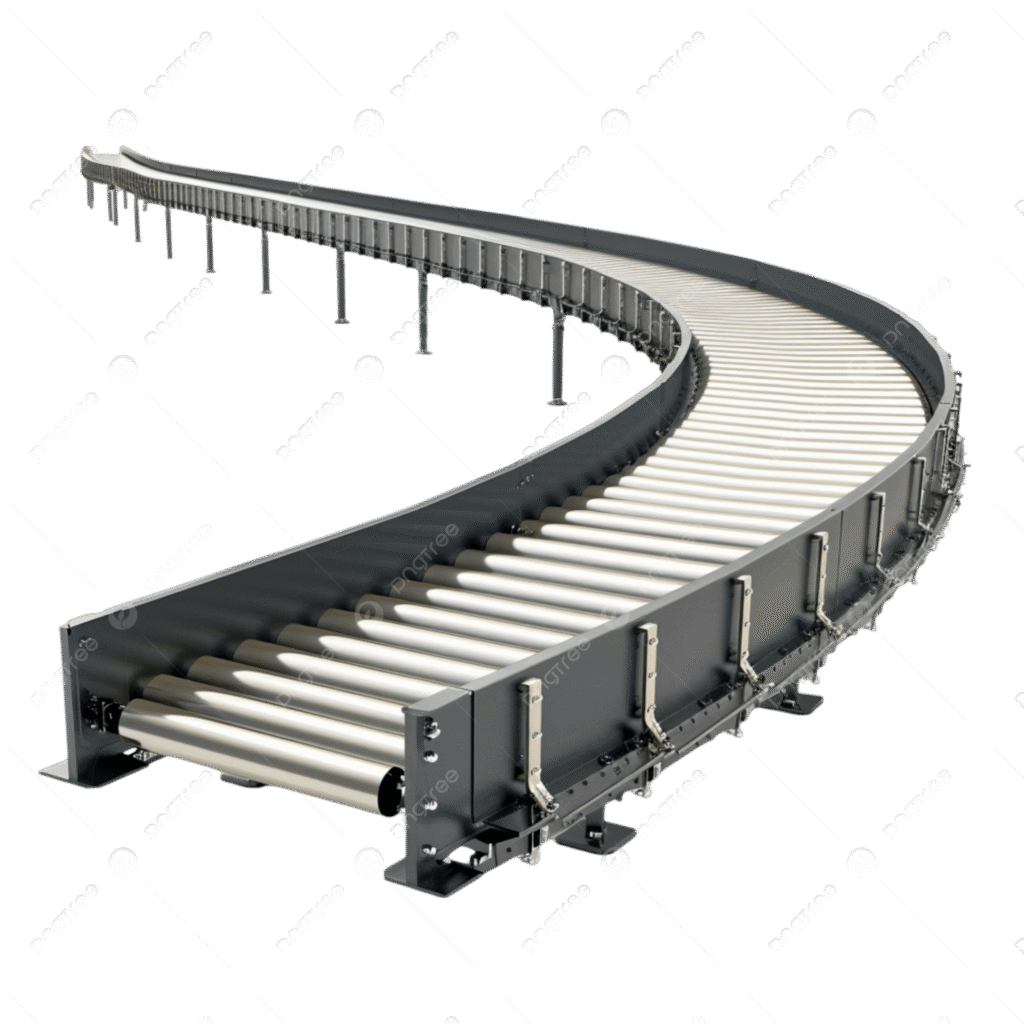
We supply PECPL Conveyor Rollers for industrial conveyor and bulk material handling applications. PECPL offers a range of carrying, return, impact, guide, disc, lagged, self-cleaning and specialty roller configurations for different conveyor requirements.
The rollers are available in different diameters, lengths, shaft sizes, bearing configurations and materials. Selection depends on belt width, material load, conveyor speed, roller spacing, operating environment and duty conditions.
ENGINEERED FOR PERFORMANCE
Request For Quote
NEED A CUSTOM QUOTE?
Get the Right Price for Your
Conveyor Roller
Share Your Conveyor Roller Requirements With Us and Get the Best Price, Tailored to Your Needs. Our Team Will Respond Quickly With a Competitive Quote.
PECPL’s current product listings include rubber disc, polyurethane disc, hybrid steel, guide, self-cleaning, rubber lagged, carrying and impact/rubber rollers.
Technical Specifications of PECPL Conveyor Rollers
Roller Diameter76–219 mm
Roller Length190–3500 mm
Shaft Diameter20, 30, 35, 40 mm
Bearing Options6204, 6205, 6305, 6306, 6307, 630
Tube MaterialCarbon Steel
Shaft MaterialCold Drawing Round Steel
Pipe Thickness3 mm, 3.5 mm, 4 mm & OEM
StandardISO / DIN
Operating Temperature0°C to 100°C
Run-Out Reference≤ 0.8 mm TIR
How to Choose the Right PECPL Conveyor Roller
Roller diameter: Select the diameter according to belt width, conveyor speed and loading conditions. PECPL’s selection guide shows that wider belts and higher speeds generally require larger roller diameters.
Roller length: The face length should match the conveyor belt width and allow the required belt support and tracking arrangement.
Shaft diameter: Shaft size affects load capacity and resistance to bending. PECPL publishes 20, 30, 35 and 40 mm shaft options for its standard roller listings.
Bearing: Bearing selection depends on roller load, speed, operating conditions and required service life.
Roller spacing: Closer spacing may be required where the conveyed material creates higher loads or where belt sag must be controlled.
Operating environment: Dust, moisture, abrasion, corrosion and temperature should be considered when selecting sealing, bearing and roller construction.
Conveyor Roller Load Calculator
Material Load per Roller: kg
Belt Load per Roller: kg
Total Static Load: kg
Dynamic Roller Load: kg
Required Roller Load Capacity: kg
Required Roller Load Capacity: kN
Applications
Mining conveyors
Cement plants
Steel plants
Power plants
Coal handling systems
Bulk material handling
Aggregate plants
Crushing and screening plants
Ports and material handling terminals
Industrial conveyor systems
Quarrying applications
Heavy-duty material conveying
Troubleshooting
A quick diagnostic path for common conveyor roller issues.
1
Roller rotation resistance
Check the bearing condition, contamination and shaft alignment when a roller develops excessive resistance.
2
Shell eccentricity
Excessive run-out can create vibration and uneven belt movement. PECPL discusses a ≤0.8 mm TIR reference for standard-duty idlers.
3
Bearing noise or seizure
Inspect seals, lubrication, contamination and bearing fit if abnormal noise or increased temperature develops.
4
Shaft bending or wear
Check shaft diameter, loading and mounting conditions when deformation or excessive wear appears.
5
Material buildup
Accumulated material can affect roller balance and belt tracking, particularly in wet or sticky conveying applications.
Request For Quote
NEED A CUSTOM QUOTE?
Get the Right Price for Your
Conveyor Roller
Share Your Conveyor Roller Requirements With Us and Get the Best Price, Tailored to Your Needs. Our Team Will Respond Quickly With a Competitive Quote.