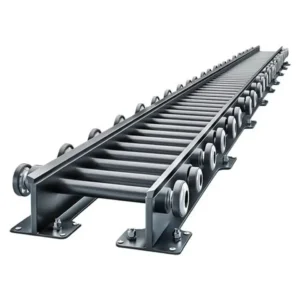
Choose the right conveyor roller based on your conveyor requirements, load, belt width, roller diameter, shaft size, bearing type, and operating conditions. This conveyor roller selection guide explains the key factors to consider when choosing rollers for different material handling applications.
Request For Quote
NEED A CUSTOM QUOTE?
Get the Right Price for Your
Conveyor Roller
Share Your Conveyor Roller Requirements With Us and Get the Best Price, Tailored to Your Needs. Our Team Will Respond Quickly With a Competitive Quote.
How to Choose the Right Roller
Choosing the right Conveyor Roller starts with understanding how the conveyor will be used. The load, operating speed, material being conveyed, and working environment all affect the roller design.
For example, heavier loads may require stronger roller construction and suitable bearings, while dusty or wet environments may require enhanced sealing to protect the bearings.
Therefore, consider the load, speed, material, and environment as part of your Conveyor Roller Selection before choosing the roller diameter, bearing, construction, and sealing requirements.
Select the Right Conveyor Roller
Roller Selection by Application
Different conveyor applications have different Conveyor Roller Requirements. The right roller construction depends on the load, material being conveyed, conveyor speed, and working environment.
For example, heavy-duty material handling may require rollers with suitable load capacity and robust construction. Applications exposed to dust or moisture may also need appropriate bearing protection and sealing.
Therefore, consider the operating conditions of your conveyor before selecting the roller type and specifications for your application.
Choosing Roller Diameter and Load Capacity
First, select the roller diameter based on the load, belt width, conveyor speed, and type of material being conveyed. A suitable diameter helps the roller handle the expected load while maintaining smooth conveyor operation.
For higher loads or longer conveyor sections, check the required roller load capacity before finalizing the roller size. You can also use the Conveyor Roller Load Capacity Calculator to estimate the required capacity based on your conveyor conditions.
In addition, check the roller shaft, bearings, and overall construction to ensure they suit the selected diameter and operating conditions.